
A Guide to the Best Display Materials for Retail Environments
A Guide to the Best Display Materials for Retail Environments
When people talk about display materials in a retail environment, they’re usually referring to the physical pieces that hold everything together. Not just graphics. Not just finishes. Display materials include the structural frame, the surfaces customers see, the shelves that carry weight, and the lighting that shapes what gets noticed first.
At SEG Systems®, we use a variety of materials and substrates to create the perfect SEG frame, lightbox or retail display for our customers.
Choosing the Right Display Materials for Retail Environments
Those materials do more work than most people expect. Before someone reads a word or reaches for a product, they notice graphical vibrancy, quality, materials, register proportion, reflectivity, structural integrity and more. A retail display built with aluminum display frames and SEG fabric graphics sends a different signal than one built with heavy steel, thin plastic material or cardboard displays. One feels deliberate. The other feels provisional, even if the layout is identical.
Durability matters, but so does weight. Heavier materials can feel substantial, yet they complicate shipping, installation, and mobility. Lightweight silicone edge graphic systems move easily, but only if they’re engineered and manufactured well. Branding plays into this too. Materials influence whether a space reads as premium, functional, or temporary.
That’s why most brands end up thinking in systems rather than in individual fixtures. You’re not choosing the best materials for retail displays for a single moment. You’re choosing a setup that has to survive daily use, routine cleaning, refresh cycles, and rollout across multiple stores without falling apart or looking tired.
Display Materials to Build High-Performing Retail Displays
Many high-performing retail displays rely on the same core combination: aluminum structure, SEG fabric graphics, and integrated lighting. The system has proven itself through repeated, real-world use.
For metal displays, aluminum display frames form the structural core of many modular display systems and retail signage solutions. Aluminum offers strength without excessive weight, which changes how displays ship, install, and reconfigure. Compared to steel, it’s easier to handle onsite, more lightweight and mobile and often able to be assembled at an associate level like our MODify® Retail Merchandising System.
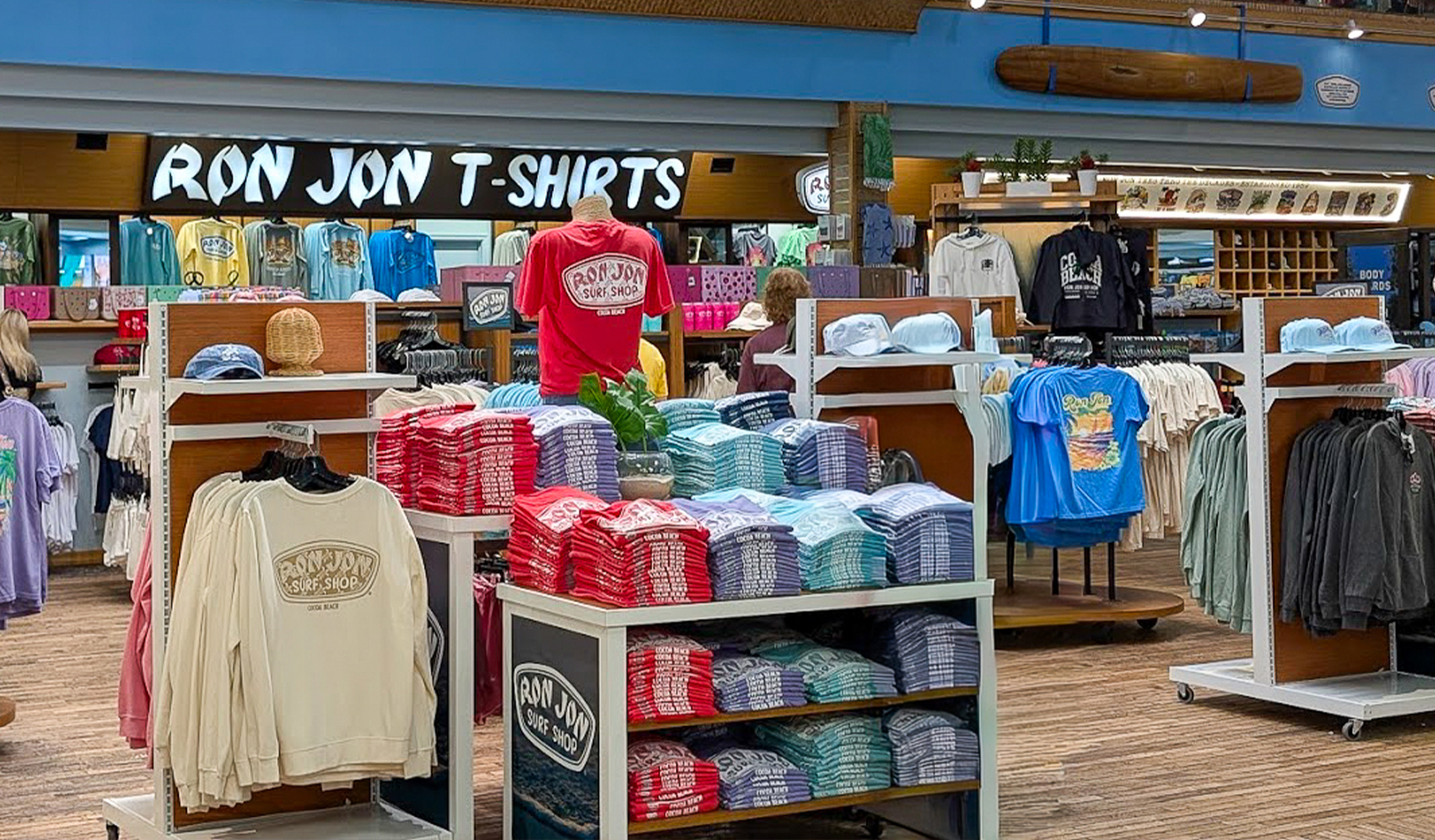
SEG fabric graphics become the main visual surface of retail displays and SEG frame and lightbox solutions. Fabric stretches cleanly into frames, which avoids ripples and glare. Color holds up well, even when customers stand close. One practical advantage is how quickly SEG graphics can be swapped. You can refresh visuals without rebuilding the structure, which keeps updates manageable for store staff, and frames and lightboxes can be freestanding, wall-mounted or suspended to suit any application. SEG fabric graphics also store easily by rolling or folding, allowing them to be used again and again.
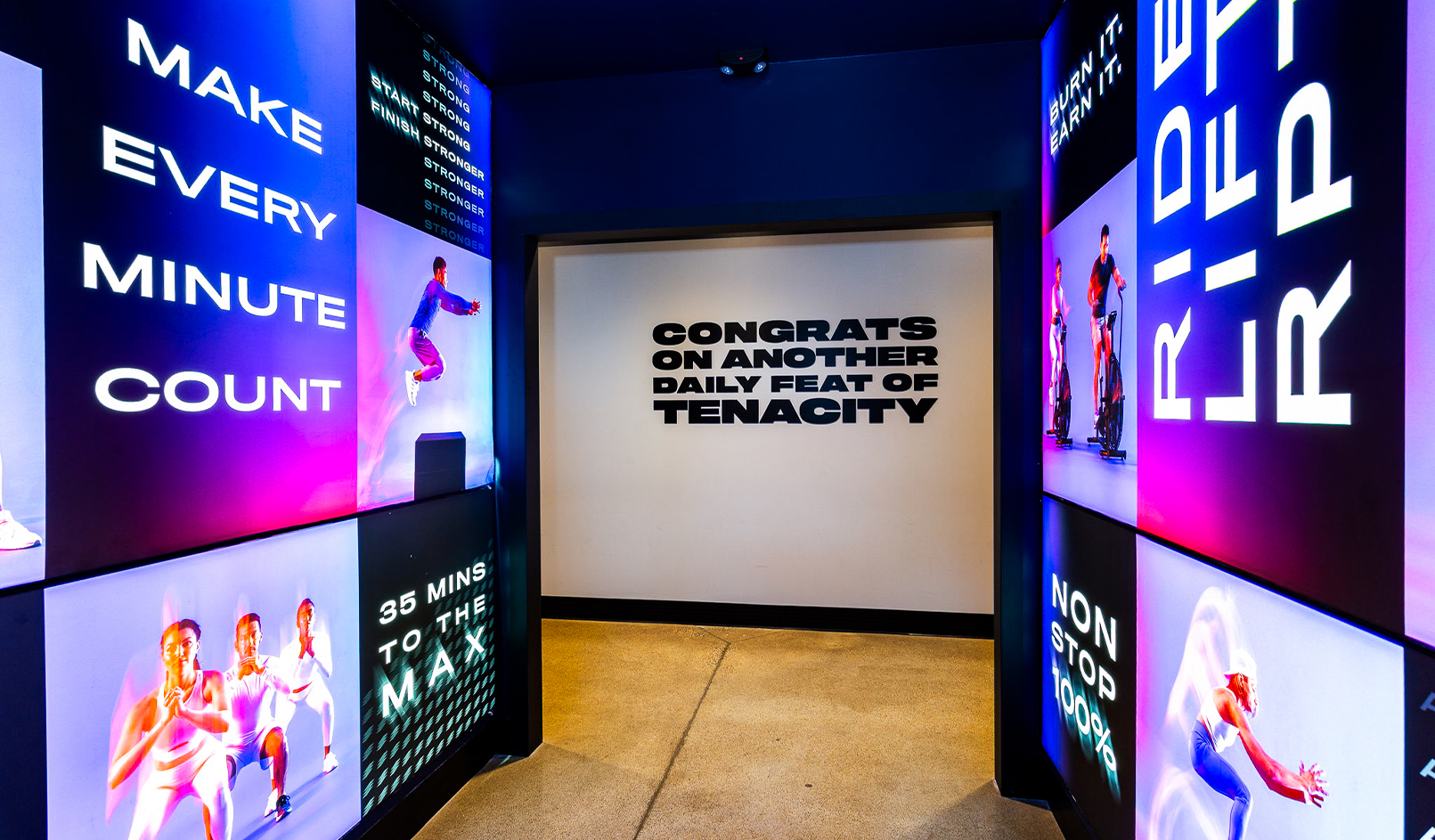
Lightbox Displays feature LED lighting that integrates easily into the SEG frame. LED lightboxes like BLAZE™, stay cooler, last longer, and fit slimmer profiles than older lighting systems. That matters when space is limited or when heat could affect nearby product. Fabric lightbox displays spread light evenly, keeping graphics readable from multiple angles instead of creating hot spots.
Acrylic can play a supporting role. It’s clear, visually light, and doesn’t compete with the product. Acrylic works well for lettering, risers, and shelves, though placement matters in high-traffic zones where scratching and wear show up quickly.
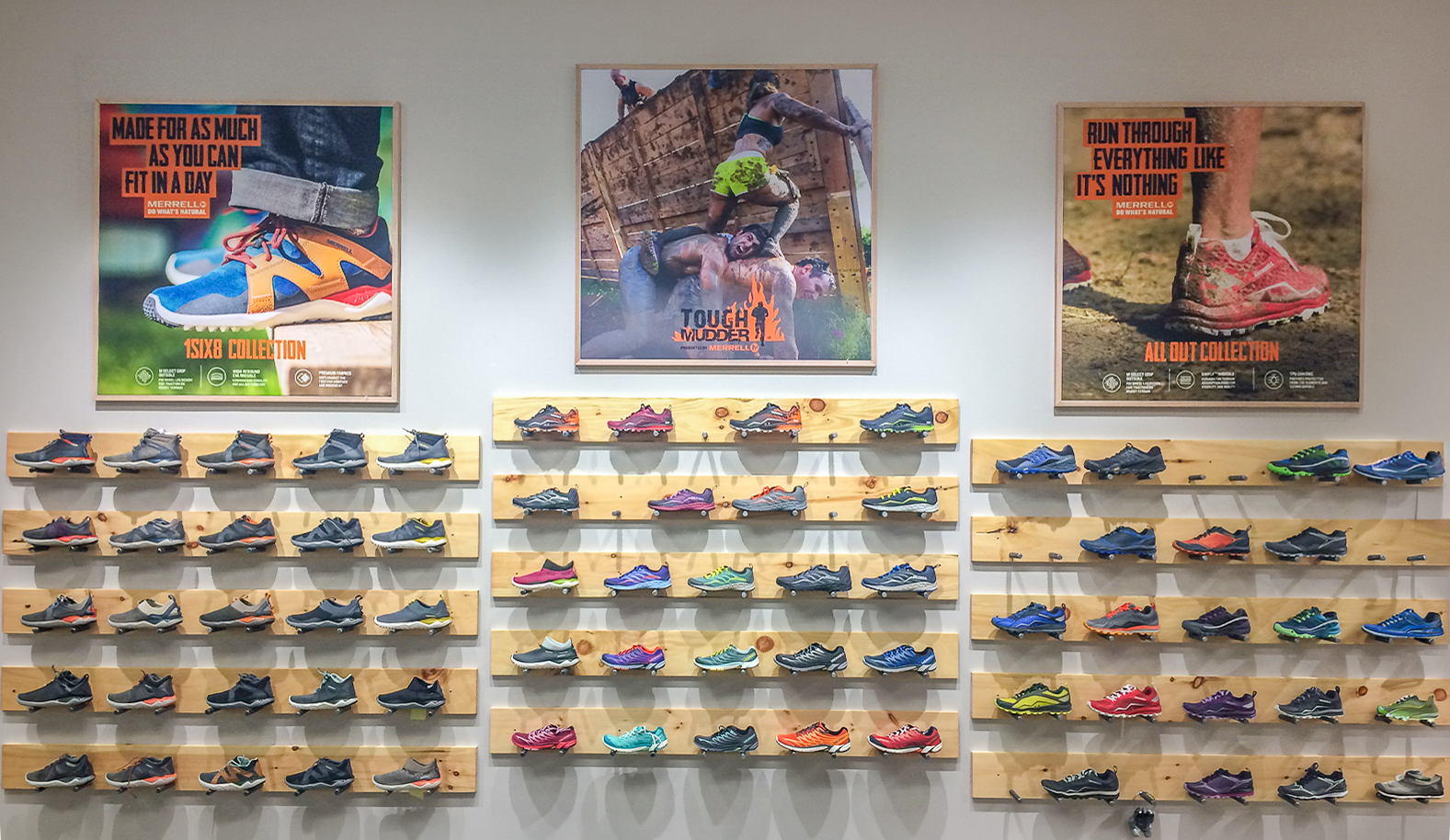
Wood retail fixtures and millwork introduce warmth. Custom millwork materials and integration often appear as counters, storage bases, cabinetry, or trim. In many multi-location retail environments, wood works best as an accent layered onto aluminum and fabric systems rather than as the primary structure. That keeps the display flexible without losing texture.
Matching Display Materials to Display Lifespan, Location, and Brand Goals
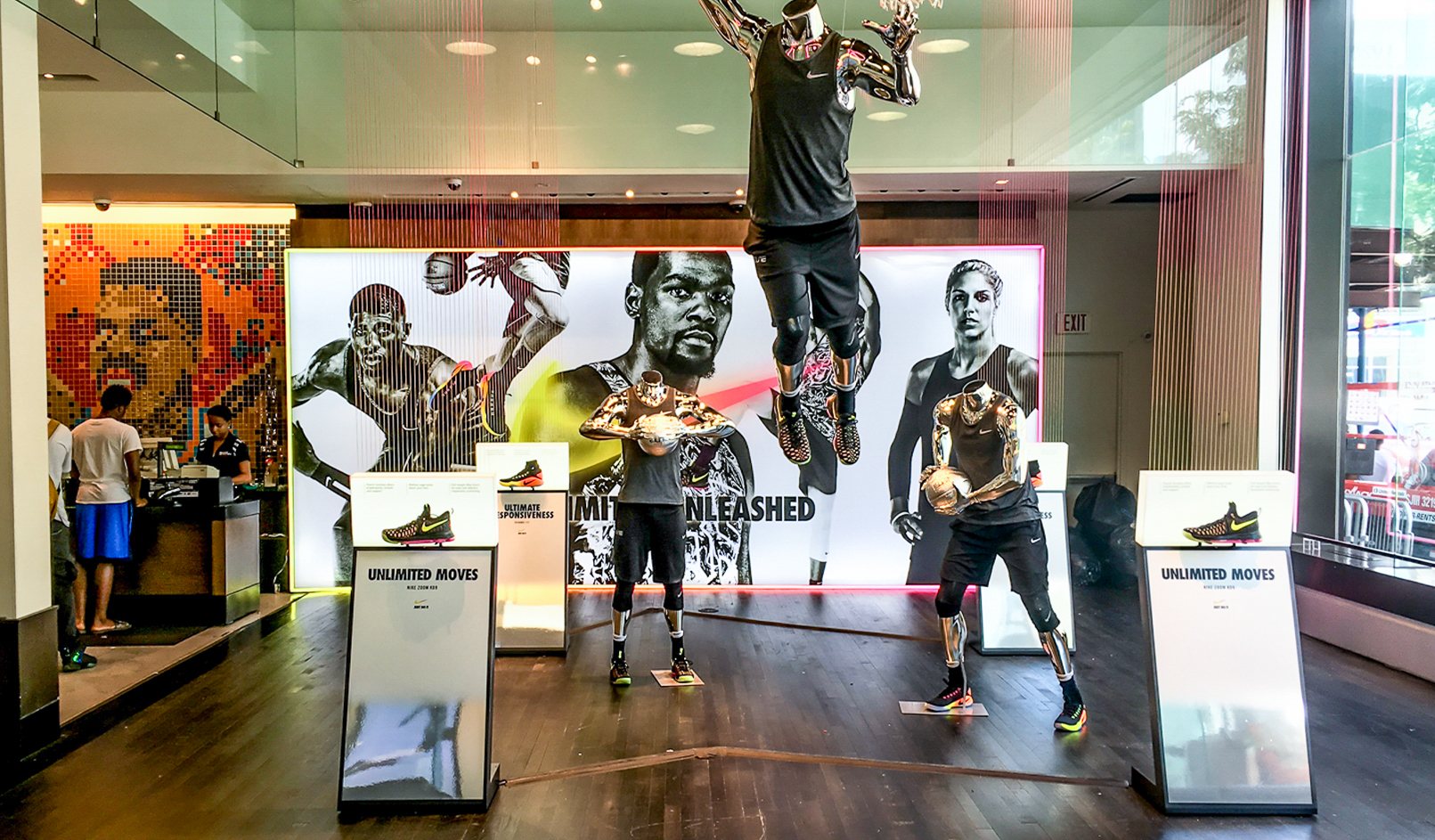
Material choices shift depending on how long branded retail displays and graphics need to stay in place. Temporary programs, measured in weeks or a few months, often rely on lighter structures and graphic-driven solutions. SEG lightboxes and displays can easily be upfit with weighted feet or casters to add mobility to SEG frames and graphics in temporary environments or for seasonal promotions. In many cases, reusable aluminum frames, displays, and lightboxes still make sense when future rollouts are planned.
Semi-permanent displays benefit from modular display materials. The structure stays. Graphics refresh. Lighting remains consistent. Updates happen without tearing down the entire system, which limits disruption on the sales floor.
Permanent installations require more intentional design. Aluminum still plays a central role and can be paired with integrated LED lightbox displays, acrylic elements, and millwork. Frames and lightboxes can be wall-mounted or suspended in semi-permanent and permanent installations, allowing for impactful store branding without sacrificing floor space. These displays anchor the retail environment while still allowing for associate-level graphic changeout.
Location changes the equation. Window displays need to tolerate sunlight and temperature shifts. Inline fixtures need durable edges and easy staff access. Ceiling-mounted and overhead displays introduce weight and safety constraints, which favor lightweight metal retail fixtures and fabric systems. This is where selecting materials becomes less about preference and more about fit. A cohesive material approach supports brand goals, refresh cycles, and rollout scale better than isolated decisions.
Sustainability, Maintenance, and Total Cost of Ownership for Display Materials
Material choice affects more than the initial price. Total cost of ownership includes manufacturing, shipping, installation, maintenance, refresh cycles, and disposal. All these will have related costs and should be considered when evaluating sustainable retail displays.
Reusable aluminum frames reduce waste, because the structure stays in service while surfaces change. SEG fabric graphics can be reprinted instead of discarded. LED lighting lowers energy use and replacement frequency over time. This kind of sustainability can lead to significant cost savings over the long-term, and shouldn’t be underestimated.
Short-lifecycle solutions like cheap, disposable materials may cost less in the beginning, but frequent disposal increases waste – something no one wants – and replacement costs.
Maintenance varies by material. Aluminum and powder-coated finishes clean easily. Fabric requires careful handling but avoids glare. Over time, the best materials for in-store merchandising fixtures are the ones that stay useful. They hold up under daily interaction, support branding changes, and don’t require full replacement every time a campaign shifts.
Long-term cost usually follows durability and reuse, not the lowest initial number. Smart retailers take all these things into consideration when purchasing visual merchandising materials. In retail displays, long-term success depends on far more than what’s visible on the surface.
From Material Strategy to Measurable Brand Impact
The right display materials don’t just hold up product; they shape how a brand is experienced in-store. SEG Systems manufactures integrated display solutions that combine aluminum frames, SEG fabric graphics, lightboxes, millwork, and custom finishes into cohesive retail systems. As a domestic manufacturing partner, we help brands move from concept to rollout with scalable, visually consistent merchandising environments built for durability, flexibility, and long-term performance because one size never truly fits all.
Ready to rethink what’s holding your brand together? Reach out to our sales team. to create the perfect retail solution for your brand.